Case Studies Denver Renovations That Raised Home Sale Prices
Real-world case studies show which renovation choices produced measurable sale-price gains in Denver neighborhoods
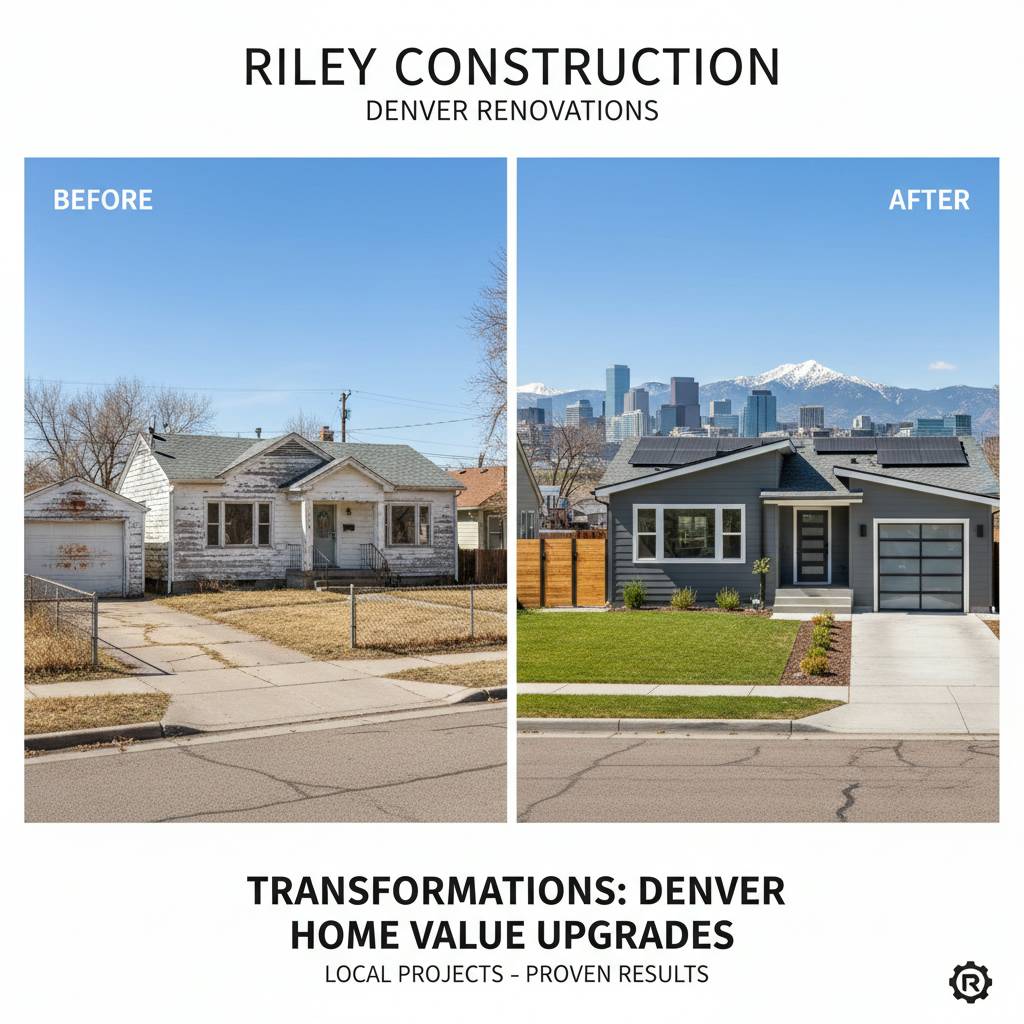
Riley Construction presents before-and-after analyses that highlight cost, timeline, and final sale outcomes. These case studies Denver renovations that raised home sale prices are drawn from actual transactions across diverse neighborhoods, offering practical, evidence-based guidance for homeowners considering investments before a sale. The examples below focus on measurable outcomes-clear dollar gains relative to renovation spend-so you can compare options with confidence.
Across each profile we summarize scope, budget, timeline, and the net effect on final sale price. You'll read both modest projects and larger remodels, plus the contextual decisions that shaped results: choice of finishes, targeted staging, and how curb appeal factored into buyer perceptions. Call 17206053614 to review case studies most similar to your home and learn actionable takeaways tailored to your lot, layout, and budget.
How these case studies were selected and why they matter
We focused on closed sales in Denver where owners completed renovations within 18 months of listing and where reliable pre- and post-renovation cost data were available. That means we excluded speculative projects with incomplete accounting or sales that depended on broader market anomalies. The intent is comparison: how much did targeted renovation dollars translate to higher sale prices in specific neighborhood contexts?
Selection criteria included project transparency, reasonable time proximity to sale, and a clear link between the work completed and home-market presentation. This approach helps isolate the renovation effect from market-wide appreciation and provides more actionable guidance for sellers who want realistic expectations about cost, timeline, and return.
Neighborhood case studies: before-and-after snapshots
Case Study: Capitol Hill - Kitchen refresh and systems update
In Capitol Hill, a 1,400-square-foot bungalow underwent a targeted kitchen refresh, new HVAC installation, and cosmetic living-room updates. Total renovation cost was $45,000 and timeline was 8 weeks. The owners focused on bright, durable finishes and improved lighting rather than a full gut. After listing, competitive staging and updated photos helped secure an offer 11% above comparable pre-renovation estimates.
The project outcome demonstrated that in older-core neighborhoods where kitchens are often dated, a focused set of upgrades-modern appliances, quartz counters, fresh cabinetry hardware-can tip buyer decisions. Net sale-price gain after cost was approximately $30,000, reflecting a strong but not wholesale ROI. Buyers cited move-in readiness and energy improvements as decisive factors.
Case Study: Wash Park - Bathroom addition and attic-to-bedroom conversion
In Wash Park, a mid-century home converted attic space to create a guest suite and added a full bathroom. The project cost $85,000 and required permits, taking 16 weeks to complete. The additional bedroom and bath increased functional square footage and transformed the floor plan's appeal to families and buyers seeking flexible space. The property sold for $120,000 more than neighborhood comps without the same layout.
Higher-ticket structural projects like this can produce sizable sale-price gains when they increase bedroom/bath counts and improve functional living area. In this case, the owners recouped the renovation cost and enjoyed an incremental premium tied to demand for additional bedrooms within the Wash Park market.
Case Study: Highlands - Exterior refresh and landscaping for curb appeal
A Highlands rowhome invested $12,500 in exterior work: new siding accents, durable front landscaping, updated front steps, and low-voltage lighting. The contractors completed the work in four weeks, focusing on quick wins that enhanced first impressions without altering interior layout. The home went under contract in five days at a price $22,000 above pre-renovation appraisal comparables.
This case underlines how modest budgets aimed at curb appeal can yield outsized visibility and quicker offers in walkable neighborhoods where first impressions drive buyer choice. For sellers with limited renovation budgets, prioritizing exterior updates and clean, modern finishes can be a highly efficient path to higher sale prices.
Case Study: Park Hill - Basement finishing and energy upgrades
In Park Hill, a finished basement with a second living area, new egress, and an added bathroom cost $60,000 and took 12 weeks, including permitting and inspections. In addition, the owners replaced an older furnace and added attic insulation, lowering energy costs and qualifying the house for minor efficiency disclosures. The finished basement added functional living space and the home closed at $75,000 above comparable listings lacking the same lower-level layout.
The combination of added usable square footage and improved energy performance resonated with buyers assessing long-term ownership costs. While the net return was more modest after costs, the project broadened the buyer pool and accelerated the sale process, demonstrating value beyond headline numbers.
Which renovation types produced measurable gains
Across our Denver examples, certain renovation categories consistently produced measurable sale-price gains: kitchen updates, bathroom additions or remodels, added bedrooms/baths, basement finishes, and strategic curb-appeal investments. Energy upgrades and systems replacements (HVAC, roof, windows) often improved buyer confidence and reduced negotiation friction, even when direct sale-price premiums were modest.
Below is a concise list of common projects and the typical sale-price outcomes we observed. These are generalized patterns drawn from the case studies and market feedback, not guarantees, but they highlight repeatable advantages when projects are well-targeted to neighborhood expectations.
- Kitchen refresh (appliances, counters, lighting): moderate spend, often 5%-12% uplift in buyer offers when done well.
- Bathroom remodel or addition: higher spending but strong buyer returns, especially in homes with outdated or few bathrooms.
- Basement finishing: good value when it creates legal, livable square footage-often attracts a 10%-15% premium depending on quality.
- Curb appeal and landscaping: lower cost, fast impact-can accelerate sale timeline and add $10,000-$40,000 to sale price in certain neighborhoods.
- Systems replacement and insulation: less glamorous but valuable-reduces seller concessions and increases buyer confidence.
Budget ranges, timelines, and realistic expectations
Understanding realistic budgets and timelines is essential to avoid surprises and to calculate potential return on investment. Smaller cosmetic projects such as painting, hardware upgrades, and light landscaping typically take 1-4 weeks and cost in the range of $2,000-$15,000, depending on scale. Mid-level projects like kitchen refreshes or bathroom facelifts generally run $15,000-$60,000 and 4-12 weeks, allowing for material lead times and contractor scheduling.
Larger structural projects-additions, basement finishes, or major reconfigurations-can cost $50,000-$200,000 and span 8-24 weeks once permits are in play. In Denver, permit timelines and weather can extend schedules, so build buffer time. Important: timing affects sale strategy. If you plan to list quickly, prioritize high-visibility, faster-complete interventions that support a higher asking price without delaying listing.
Contractor selection, permits, and staging - practical advice
 Choosing the right contractor and managing the project are as important as the renovation choices themselves. Vet contractors for Denver experience, clear timelines, verified references, and transparent change-order policies. For projects requiring permits-structural changes, electrical, plumbing-factor permit fees and inspection windows into the budget and timeline. Delays in approvals are a common source of cost overruns.
Staging is an often-underestimated lever. Several case studies show that moderate staging expenses returned tangible gains because professional staging helps buyers visualize use of renovated space. Combine staging with professional photos and nighttime exterior lighting to maximize listing impact, particularly in competitive neighborhoods where online presentation drives showings.
Before-and-after comparison table
| Neighborhood | Project | Approx. Cost | Timeline | Sale-price Gain |
|---|---|---|---|---|
| Capitol Hill | Kitchen refresh HVAC | $45,000 | 8 weeks | $30,000 |
| Wash Park | Attic conversion bath | $85,000 | 16 weeks | $120,000 |
| Highlands | Exterior and landscaping | $12,500 | 4 weeks | $22,000 |
| Park Hill | Basement finish energy upgrades | $60,000 | 12 weeks | $75,000 |
Actionable takeaways and a decision checklist
If you're weighing renovation options to maximize sale price, start by mapping buyer expectations in your specific Denver neighborhood. Historic districts, family-oriented areas, and condo markets each reward different investments. For example, families prioritize bedroom/bath counts and school proximity, while buyers in trendy walkable neighborhoods may prefer chef-ready kitchens and outdoor living. Align your scope with what attracts your target buyer class.
Use the following checklist to prioritize renovations and avoid common pitfalls when preparing a house for sale:
- Identify the target buyer profile for your neighborhood and list top three must-have features they expect.
- Estimate realistic budgets and include a 10%-15% contingency for unexpected costs or permit delays.
- Prioritize projects that increase usable square footage or modernize key rooms (kitchen, bath) over purely cosmetic trends.
- Invest in curb appeal and professional photos-these items often shorten time on market and increase buyer competition.
- Schedule renovations early to allow for staging, inspections, and an optimized listing launch.
Frequently asked questions (FAQ)

Will a small kitchen update really move the needle in price?
Yes-especially in neighborhoods where kitchens tend to be dated. Buyers often over-index on kitchens because they are central to daily life. A well-executed refresh that improves functionality and aesthetics can yield a measurable uplift in offers without the cost and time of a full remodel.
How do I know whether to finish a basement or invest in the main floor?
Consider buyer preferences and cost per usable square foot in your neighborhood. Finishing a basement often delivers strong value where livable square footage is scarce. However, if the main floor is poorly laid out or a kitchen is severely outdated, improving primary living spaces may be higher impact. can help prioritize based on local comps and buyer demand.
Next steps - review case studies matched to your home
If you'd like tailored advice, we can match you with case studies most similar to your property-same neighborhood, similar size, and comparable condition. That review clarifies which renovation paths were most effective for sellers like you and helps set realistic expectations for cost and timing.
Call 17206053614 to schedule a free consultation with Riley Construction and review targeted before-and-after analyses. We'll walk through neighborhood comps, likely buyer profiles, and an action plan that balances budget, timeline, and expected sale-price impact.
Closing
These Denver case studies show that thoughtful, well-executed renovations-matched to neighborhood expectations and buyer preferences-produce measurable sale-price gains. Whether you're considering a modest refresh or a larger structural project, the right choices can increase final sale value and reduce time on market. Reach out to Riley Construction at 17206053614 to discuss which examples best mirror your home and to get a practical plan for maximizing your sale outcome.