Which Features Are Lowering Your Home's Value
Certain outdated or inappropriate features can actively reduce a home's market value in Denver. Riley Construction conducts targeted assessments to identify and recommend corrective projects that restore buyer appeal. Call 17206053614 for a feature audit and prioritized update plan. Addressing these issues protects equity and improves market competitiveness.
If you are wondering which features are lowering your home's value, start with an objective assessment of the home's functionality and curb appeal. In Denver's diverse market, buyers expect a balance of modern convenience and authentic character. That means a small number of glaring problems can disproportionately reduce buyer interest and negotiated sale price, even if the home is otherwise structurally sound.
Riley Construction specializes in targeted audits that separate cosmetic preferences from true value-reducing elements. Our approach is practical: identify what actively turns buyers away, estimate corrective scope and costs, and recommend the improvements with the best cost-to-value outcomes for this market. When local buyers ask for realistic, livable updates, it's the right fixes-not every trendy upgrade-that win offers.
Common outdated or inappropriate features that reduce buyer appeal
Many sellers assume that any update is beneficial, but the wrong upgrades can actually create a mismatch with neighborhood expectations. Typical features that lower market value include poorly executed remodels, non-conforming additions, outdated mechanical systems, and finishes that date a house to a particular era without adding charm or function. Buyers in Denver often seek homes that require low immediate investment.
Here are recurring problem features we see in assessments:
- Low-quality or amateur renovations that reveal improper permits or poor workmanship
- Heavily personalized finishes-dark wallpaper, neon paint, or odd custom cabinetry-that narrow buyer appeal
- Non-functional layouts created by previous DIY conversions, such as subdivided bedrooms or blocked natural light
- Visible mechanical issues: aging HVAC, electrical panels near capacity, or plumbing with old materials
- Permanently installed features that conflict with climate or lifestyle expectations in Denver, like inefficient windows or undersized insulation
Each of these items doesn't merely add cost to a buyer; they increase perceived risk. Buyers mentally deduct for future repairs, permit complications, and the time they'll spend making a space livable. That perceived risk translates into lower offers and longer market time, both of which erode your equity.
How Riley Construction assesses which features are lowering your home's value
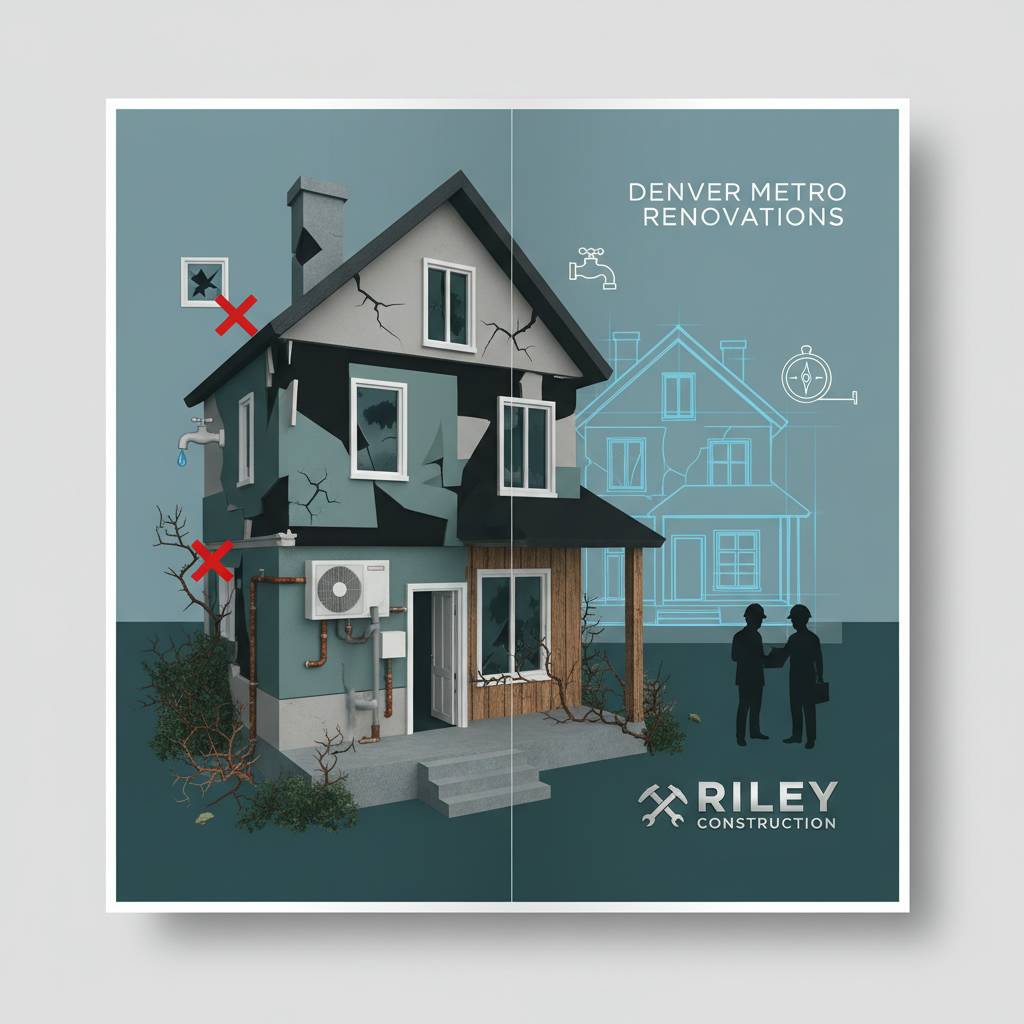 Our targeted assessment begins with a walk-through focused on three lenses: safety and code compliance, buyer perception, and competitive positioning. We note immediate red flags like trip hazards, exposed wiring, or water intrusion, then catalog features that will be visible in listing photos and during open houses-items that affect first impressions and offer strategies.
We combine observational inspection with market data. That means reviewing comparable sales, current inventory, and buyer feedback trends in the property's price band and neighborhood. For example, in Denver neighborhoods where modern kitchens are expected, an under-equipped or cramped kitchen can drive larger price concessions than cosmetic paint choices.
Report elements you can expect
- Prioritized list of value-reducing features with explanations of buyer psychology and local comparables
- Estimated cost ranges and timing to correct each issue
- Return-on-investment guidance keyed to Denver market patterns
- Suggested staging or temporary fixes that improve showability at low cost
We deliver a clear plan so sellers can make informed choices: fix everything, fix only high-impact items, or price defensively while disclosing necessary work. The right decision balances budget, timeline, and your desired sale outcome.
Prioritizing updates: what to fix first and why
Not all problems are created equal. A leaking roof or failing furnace represents immediate deal-breakers that must be addressed before listing, whereas replacing dated light fixtures can often be deferred until after inspection negotiations. We recommend tackling safety, code, and functionality first, then move to visual updates that improve perceived value and listing photos.
When deciding which projects to prioritize, consider three practical rules: fix anything that threatens a sale, invest in improvements that are visible in listing photos and walkthroughs, and choose updates with predictable, strong returns. In Denver, kitchens, bathrooms, and energy-efficiency upgrades typically deliver the clearest improvements in buyer response for the budget spent.
- High priority: Roof, HVAC, structural issues, safety/code compliance
- Medium priority: Kitchen function and layout, bathroom usability, windows/insulation that affect comfort and utility costs
- Lower priority: High-end cosmetic upgrades that are subjective (e.g., luxury materials that don't match neighborhood)
Cost estimates we provide are realistic and locally informed. Typical ranges for common updates are: replacing basic windows $300-$700 per unit, kitchen refreshes $3,000-$15,000 depending on scope, and full bathroom updates $5,000-$20,000. These ranges help sellers weigh the value of correcting a problem versus adjusting price expectations.
Practical update strategies that restore buyer appeal without overspending
Selling a home does not require a complete remodel. Small, targeted interventions can shift buyer perception dramatically. Focus on decluttering, neutralizing finishes, and correcting things that suggest deferred maintenance. In many cases, a professional paint job, updated hardware, and improved lighting are high-impact, low-cost moves that make listings photograph better and attract stronger offers.
Energy-efficient improvements matter in Denver's market. Buyers expect reasonable utility costs and well-insulated homes. Addressing drafty windows, adding attic insulation, or modernizing an old furnace can be more valuable than cosmetic upgrades because they reduce ownership costs and remove negotiation leverage from buyers.
Examples of cost-effective updates with strong buyer appeal
- Repainting interior in neutral tones: $1,000-$3,500 depending on home size
- Updating kitchen cabinet hardware and lighting: $200-$1,200
- Replacing worn carpet with durable flooring in high-traffic areas: $1,500-$6,000
- Basic landscaping and front door replacement to improve curb appeal: $500-$4,000
These examples show how allocating a moderate budget to the right areas can improve offers more than larger investments in trendy finishes that might not appeal broadly. Our recommendations align cost to local buyer expectations so you avoid over-improving for your neighborhood.
When to accept a price adjustment instead of renovating
 Not every feature that lowers value must be corrected before sale. There are cases where the most sensible path is to disclose known issues and sell "as-is" at a price that reflects the work required. This approach is often appropriate when the cost of repairs exceeds the anticipated increase in sale price or when time constraints make construction impractical.
We help sellers calculate the break-even point between renovating and pricing. That includes estimating contractor lead times and permitting hurdles-factors that can delay a sale and create additional carrying costs. In some Denver neighborhoods with strong demand, a well-priced "as-is" sale attracts buyers with renovation experience and can produce competitive offers without the seller taking on renovation risk.
Case studies: small fixes that preserved equity
Case study A: A 1940s bungalow with a chopped-up floor plan and dark finishes was listed at a price below its potential. After a targeted plan-replacing non-load-bearing partitions to restore a clear walk-through, neutral paint, and modest kitchen upgrades-the property sold for 9% above the original listing price within two weeks. The owner spent under $12,000 on prioritized improvements.
Case study B: A mid-century Denver ranch had an aging HVAC and single-pane windows. Rather than a full remodel, the seller invested $8,500 in a new high-efficiency furnace and strategic window replacements in living areas. The improved energy profile and comfort eliminated buyer concerns about immediate mechanical work and shortened negotiations, resulting in a sale at near-asking price.
Frequently asked questions
Q: How do you determine if a cosmetic issue actually lowers value?
A: We analyze buyer expectations, comparable sales, and the visibility of the issue during marketing. If a cosmetic problem is likely to reduce showing interest or provoke low offers, it's flagged as value-reducing. Often, staging and simple repairs resolve these for relatively low cost.
Q: Will fixing everything guarantee a higher sale price?
A: No renovation guarantees a higher sale price, but addressing clear value-reducing features removes buyer objections and positions the home competitively. Our goal is to focus improvements where the financial upside and buyer response are most predictable.
Q: Can temporary fixes be effective?
A: Yes. Temporary but tasteful fixes-like rental furniture for staging, neutral paint, or professionally cleaned carpets-can significantly improve first impressions. We recommend temporary measures for features that are costly to permanently replace but are easily concealed or improved for showings.
Next steps: how to get a focused feature audit
Begin with a no-obligation consultation. Riley Construction will schedule an on-site assessment, document the features that are actively lowering value, and provide a prioritized update plan with realistic cost estimates and timelines. Our reports are designed so you can make clear decisions about where to invest, what to defer, and how to position your property in the market.
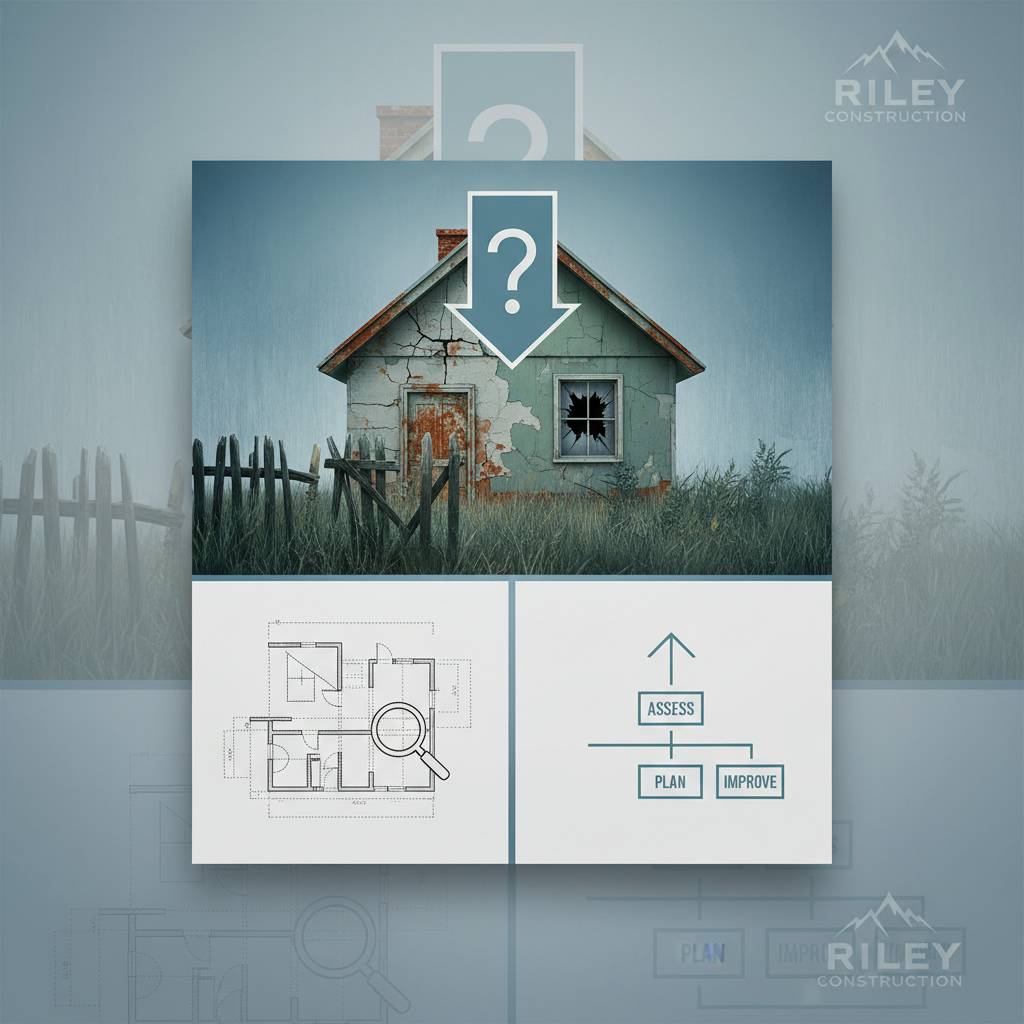
If you prefer, we can also prepare a sell-as-is valuation that quantifies the discount for known issues so you can compare renovation vs. price adjustment side-by-side. This helps owners choose the path that protects equity, meets timing needs, and aligns with personal tolerance for renovation management.
and the team bring local market insight and a pragmatic focus on return on investment. We coordinate with trusted contractors and can help you implement the prioritized project list if you decide to proceed. Our objective recommendations keep your costs reasonable and your sale strategy realistic.
Call 17206053614 to schedule an assessment. We'll provide a clear report that identifies the most impactful corrections and the minimal fixes that restore broad buyer appeal.
Ready to protect your equity? A targeted feature audit is the most effective first step. By addressing the specific elements that deter Denver buyers, you reduce time on market and strengthen your negotiating position. Contact Riley Construction at 17206053614 for a concise, prioritized plan and a straightforward path to a stronger sale result.