Signs Your Home Needs Renovation
Recognizing the Early Signs Your Home Needs Renovation
When you live in a house day after day it's easy to dismiss small flaws as normal wear and tear. Yet those little issues - a slow-draining sink, peeling paint, or drafty windows - are often the earliest signs your home needs renovation. Riley Construction helps Denver homeowners spot those visual cues and functional problems before they translate into bigger, more expensive repairs.
Understanding these signs early protects both livability and long-term value. A timely renovation keeps your home comfortable, energy-efficient, and attractive to future buyers. If you're unsure where to start, call 17206053614 to schedule an inspection and receive a prioritized action list tailored to your home's most pressing needs.
In the guide below you'll find practical, homeowner-focused advice that explains what to look for, how to prioritize work, and what common price ranges look like for typical fixes. We'll also explain how a professional inspection from Riley Construction can help you avoid unexpected expenses and preserve resale value.
Visual Cues That Indicate It's Time to Renovate
Some of the most obvious signs your home needs renovation are visible on the surface. Cracked or flaking exterior paint, sagging gutters, and deteriorating roofing materials are not just cosmetic issues - they can allow moisture into structural elements and accelerate decay. Ignoring exterior signs can lead to costly structural repairs later, so addressing them sooner often saves money and stress.
Inside the home, look for uneven or sagging floors, cracked tiles, and walls with hairline or wider cracks. These can indicate foundation settlement or moisture issues. While a single hairline crack may be harmless, multiple or widening cracks near windows, doors, or across a room should be evaluated. These are clear signs your home needs renovation that addresses underlying structural or moisture problems.
Interior finishes also say a lot about timing. Outdated kitchens and bathrooms, yellowed cabinets, or worn countertops reduce daily enjoyment and can be red flags for buyers. Even if everything works, finishes from decades past often hide outdated plumbing, wiring, or insulation that should be updated to modern safety and efficiency standards.
Functional and Systems Warning Signs
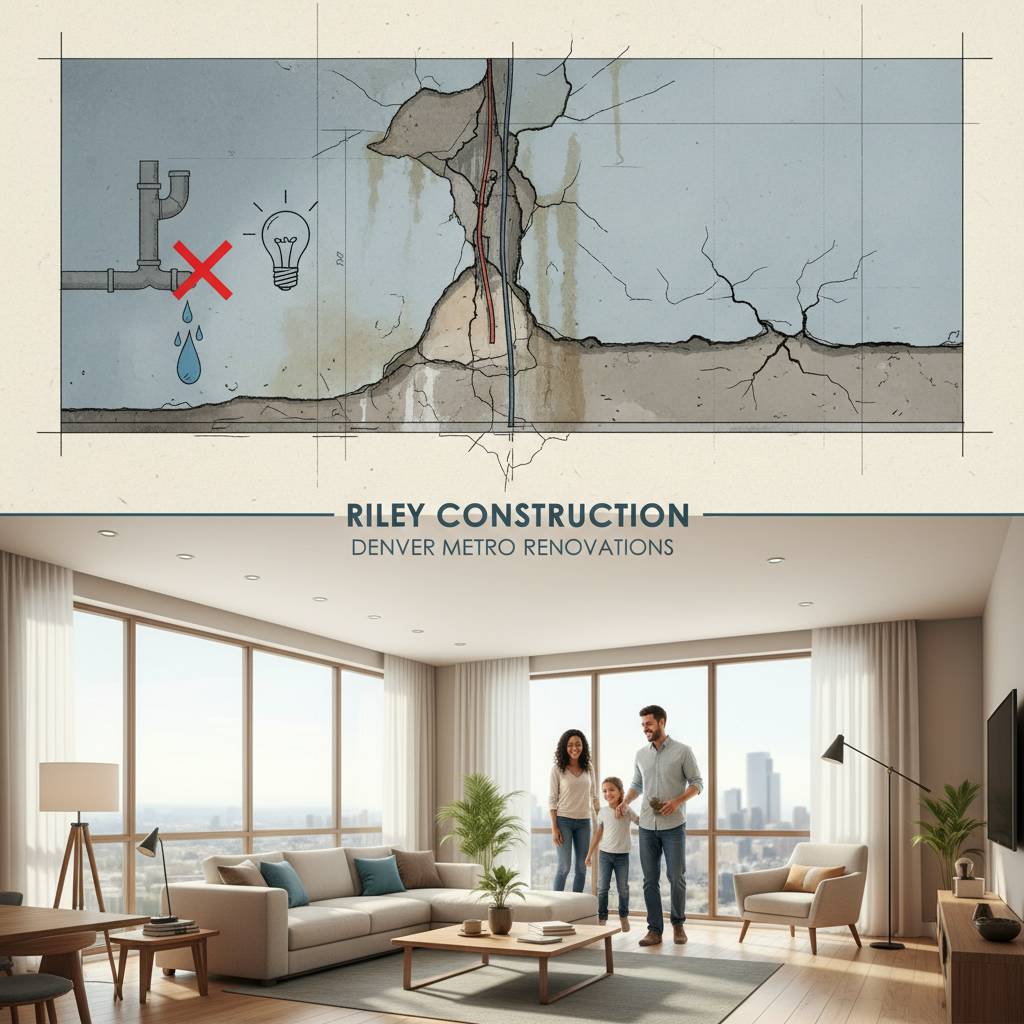 Beyond what you can see, mechanical systems reveal many signs your home needs renovation. Frequent HVAC breakdowns, inconsistent heating and cooling between rooms, or unusually high energy bills are common indicators that ductwork, insulation, or equipment are past their prime. Fixing the root cause rather than continually repairing the same system is typically more cost-effective.
Plumbing and electrical issues are especially important to catch early. Slow drains, recurring clogs, low water pressure, and visible pipe corrosion are functional signs your home needs renovation to prevent leaks or water damage. Similarly, flickering lights, tripping breakers, or outdated knob-and-tube or aluminum wiring are safety concerns that demand attention from licensed professionals.
Moisture and mold problems frequently present as a musty smell, visible staining on ceilings, or recurring mildew in bathrooms. These signs often point to poor ventilation, roof leaks, or plumbing failures and should be treated promptly. Addressing moisture-related issues early reduces health risks and prevents structural damage that can compromise a property's value.
Interior Comfort and Usability Signals
Your home's layout and functionality affect daily life more than most people realize. Rooms that feel cramped, closed-off kitchens, or a lack of storage are softer signs your home needs renovation to better match your lifestyle. Thoughtful updates can repurpose underused spaces and increase practical square footage without an expensive addition.
Lighting can make or break comfort. Dim, single-source lighting and a lack of task lighting in kitchens or work areas can make a home feel dated and less usable. Upgrading lighting along with switches, outlets, and smart controls improves livability and can reduce energy use. These are renovation choices that pay back in both comfort and market appeal.
Accessibility or aging-in-place needs are another reason to act. Adding grab bars, improving bathroom accessibility, or widening thresholds are renovations that preserve independence and extend the useful life of a home. Even small changes that improve daily comfort often produce unexpectedly high returns when selling.
Resale Value and Market-Driven Signs
If you plan to sell in the next few years, paying attention to market signals is critical. Neighborhood standards evolve: finishes and systems that were acceptable a decade ago may now be expected by buyers. Kitchens and bathrooms still provide the largest return on investment, so visible signs of age in these rooms are strong indicators your home needs renovation for resale preparation.
Comparative issues like inconsistent curb appeal or outdated exterior features can reduce buyer interest before anyone sets foot inside. Simple investments - siding refresh, a modern front door, or improved landscaping - can quickly improve first impressions and protect resale value. Those actions often cost far less than redoing interior systems after problems become severe.
Another market-driven sign is extended time on the market for listings like yours. If comparable homes sell faster or at higher prices, it's a signal that updating finishes, fixing deferred maintenance, or improving energy efficiency could narrow that gap and protect your equity.
How to Prioritize Renovations: A Practical Approach
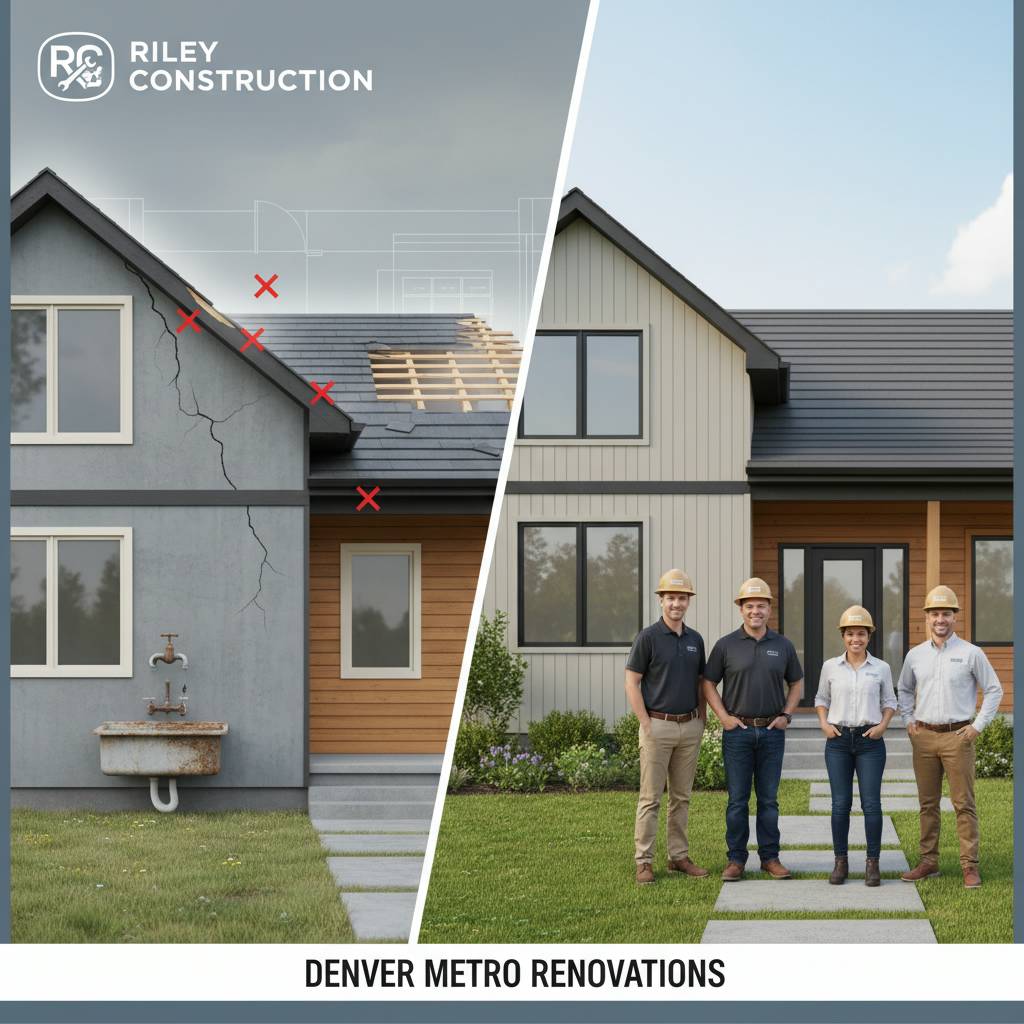 Not every issue needs to be fixed immediately. Prioritization is about balancing risk, cost, and return. Start with safety and structural concerns: anything that compromises habitability or causes ongoing damage should be at the top of the list. After safety, focus on systems that affect ongoing costs - HVAC, insulation, and plumbing - since these impact monthly expenses and comfort.
Next, address high-visibility areas that influence livability and resale: kitchens, bathrooms, and curb appeal. For many homeowners, a phased approach works best: tackle urgent repairs first, then plan cosmetic updates in stages so the project stays within budget. clients often find that staged renovations spread over a year deliver steady improvement without overwhelming disruption.
Use a simple scoring method to prioritize: rate each issue for urgency (safety), impact (cost savings or resale), and disruption (how long it will affect daily life). Multiply scores to create a ranked list, then discuss that list with a contractor or an inspector from Riley Construction so you have realistic timelines and costs before you begin.
What an Inspection Reveals and What to Expect
A professional inspection does more than confirm visible problems; it uncovers hidden issues and provides a roadmap for repair. Inspectors evaluate structure, roofing, plumbing, electrical, HVAC, and signs of moisture or pest intrusion. They'll identify not just the symptom but often the likely cause, which is essential when you're deciding if a renovation is cosmetic or requires deeper work.
Inspections from Riley Construction typically include a prioritized action list that separates immediate concerns from longer-term upgrades. Expect clear explanations, photos of problematic areas, and estimated price ranges so you can plan. We'll also point out small maintenance tasks that prevent larger problems - for example, clearing gutters to prevent roof leaks or sealing gaps around windows to improve efficiency.
Common items flagged during inspections include worn roof flashings, outdated electrical panels, inefficient windows, and signs of water intrusion around foundations or under flooring. Some issues are straightforward to repair, while others require coordination of trades. The inspection report is a planning tool to help you budget and sequence renovations effectively.
Costs, Quick Fixes, and Typical Price Ranges
Costs vary by scope, but homeowners can often make meaningful improvements without a full-scale remodel. Small but visible fixes such as repainting rooms, replacing faucets, and swapping cabinet hardware can refresh spaces for a modest investment. Typical price ranges for common updates might look like this: repainting a room ($300-$900), replacing a mid-range faucet ($75-$200), or new interior doors ($150-$400 each).
Major system updates require bigger budgets: furnace or AC replacement often ranges from $3,000-$8,000 depending on capacity and efficiency, while a mid-range kitchen remodel commonly runs $15,000-$40,000 depending on layout and finishes. Bathroom remodels typically fall between $8,000-$25,000. Always request multiple bids and ask for itemized estimates so you can compare apples to apples before committing.
| Project | Typical Price Range |
|---|---|
| Interior paint (per room) | $300-$900 |
| Mid-range kitchen refresh | $15,000-$40,000 |
| Bathroom remodel (standard) | $8,000-$25,000 |
| HVAC replacement | $3,000-$8,000 |
Keep in mind that preventive investment often saves money: replacing a failing roof now can prevent interior water damage that would cost many times more to repair. An inspector will help you weigh short-term costs against long-term savings and resale impact.
How Riley Construction Helps Denver Homeowners and Next Steps
At Riley Construction, our approach is practical and homeowner-focused. We help you recognize the signs your home needs renovation, explain the urgency of each issue, and give clear, prioritized recommendations. That means you get a realistic plan that balances safety, comfort, and resale value rather than a list of every possible improvement.
Our inspections and consultations include photo documentation, an action list with suggested sequencing, and rough cost estimates so you can budget confidently. Whether you're preparing to sell, dealing with a nagging leak, or planning phased upgrades, we tailor solutions to Denver's climate and building styles to ensure durability and energy efficiency.
Ready to move from uncertainty to a clear renovation plan? Call 17206053614 to schedule an inspection and receive a recommended action list that protects resale value and enhances livability. One short visit can uncover small fixes that prevent big repairs and help you prioritize the right projects at the right time.
Quick FAQ and Final Thoughts
How quickly should I act on signs of water intrusion? Act as soon as possible. Even minor leaks can cause mold, structural decay, and deteriorating finishes that compound over time. A prompt inspection will identify the source and give you repair options that range from targeted fixes to more extensive renovations if necessary.
Can I renovate in stages? Absolutely. Phased renovations are often the most cost-effective way to address multiple concerns. Start with safety and systems, then move to high-impact cosmetic updates. clients often find staged work less disruptive and easier to finance.
What if I only want to make cosmetic changes? Cosmetic improvements can be effective if underlying systems are sound. Before investing heavily in finishes, confirm that plumbing, electrical, and roofing don't need immediate attention. An inspection protects your cosmetic investment by ensuring it isn't undermined by deferred maintenance.
Contact Riley Construction today at 17206053614 to schedule a home inspection and get a clear, prioritized action list. Timely intervention protects resale value, saves money over time, and makes your home more enjoyable now. We're here to help Denver homeowners recognize the signs your home needs renovation and make smart choices about when and how to act.