How To Assess Renovation Priority Areas
Assessing renovation priorities for Denver neighborhoods
Deciding which renovations to pursue first requires more than intuition-especially in Denver where neighborhood character, market dynamics, and buyer preferences can vary block to block. Riley Construction provides a structured assessment that ranks areas by potential value uplift and cost efficiency, helping sellers and investors focus on high-impact work. Whether you are preparing a Victorian in Capitol Hill or a ranch in Montbello, understanding how to assess renovation priority areas ensures every dollar moves you closer to your resale goals.
In the paragraphs that follow, you'll find a practical framework for evaluating projects, a breakdown of common price ranges and return expectations, and step-by-step guidance to create a customized priority map for your property. Use this as a working guide rather than a rigid checklist-local nuance matters and some trade-offs will depend on your timeline, budget, and the buyers you want to attract.
Core framework: how to assess renovation priority areas
Start with three lenses: budget constraints, realistic timeline, and buyer expectations in your target neighborhood. First, set a firm budget range and contingency plan-knowing your cap shapes which items are feasible. Second, define your timeline: immediate resale favors cosmetic, fast-complete projects; longer holds allow structural upgrades. Third, study buyer profiles and recent comps to know which features command premiums in your area.
Next, apply a simple scoring model to rank potential projects. Score each renovation on impact (how much value uplift it provides), cost (estimated spend), time to complete, and buyer relevance. Weight the scores based on your priorities-if speed is critical, give larger weight to time. This quantitative approach yields a priority list that reflects your specific goals rather than generic advice.
Finally, layer in risk and permit considerations. Projects with high permit complexity or code risk can balloon timelines and costs unexpectedly; factor in a higher contingency for those items. For example, moving a load-bearing wall or changing plumbing layouts often adds weeks to a schedule and requires licensed trades. Treat those as separate line items in your priority map so they do not derail quick-turn cosmetic improvements.
Denver neighborhood dynamics and buyer expectations
 Denver is not a monolith. Neighborhoods such as LoDo, Cherry Creek, Washington Park, and Baker attract different buyers and set different renovation expectations. For instance, buyers in Cherry Creek often expect higher-end finishes and modern systems, while Denver University and Capitol Hill may prioritize unique character and efficient floor plans. Identifying which buyers are most active in your area helps you prioritize features that matter to them.
Price sensitivity varies by location and price band. In emerging neighborhoods where buyers seek value, targeted kitchen refreshes and curb appeal improvements can produce outsized returns. In high-end enclaves, comprehensive kitchen remodels or master-bath renovations with premium materials may be necessary to compete. The key is matching the scope and finish level to the neighborhood's market standard.
Tiering neighborhoods by renovation strategy
One useful method is to assign neighborhoods to tiers-Value, Balanced, and Premium-and tailor priorities accordingly. Value-tier areas benefit most from cost-efficient cosmetic work and systems maintenance. Balanced-tier neighborhoods require a mix of cosmetic and selective systems updates. Premium-tier areas demand high-spec finishes and full-room remodels if you expect top-dollar offers. This tiering helps you avoid over-improving for the neighborhood or under-investing where buyers expect luxury.
Common high-impact renovations and expected cost ranges
Not all renovations are equal in terms of value uplift per dollar spent. Cosmetic projects like paint, flooring refresh, and fixture updates typically deliver strong short-term returns and quick resale benefits. Mechanical updates-HVAC, roof, electrical-are critical to eliminate buyer objections and can unlock higher offers even if they don't add glamorous photos to your listing. Consider the balance between visible appeal and functional reliability when mapping priorities.
Below is a concise table summarizing typical projects, relative value impact, and broad cost ranges you can use as planning benchmarks. Adjust these for house size, finish quality, and local labor market conditions in Denver.
| Project | Relative Impact | Typical Cost Range |
|---|---|---|
| Interior paint and trim | High for first impressions | $2,000-$8,000 |
| Flooring (refinish or mid-range replacement) | High visual impact | $4,000-$15,000 |
| Kitchen refresh (cabinets refaced, surfaces) | High in mid-market | $8,000-$35,000 |
| Full kitchen remodel | Very high in premium areas | $30,000-$120,000 |
| Bathroom remodel (partial) | High for resale | $5,000-$18,000 |
| Mechanical upgrades (HVAC, roof) | Medium to high, reduces objections | $4,000-$25,000 |
| Exterior and curb appeal | High first impression | $2,500-$20,000 |
These are starting points; costs can increase substantially with custom finishes or complicated structural work. Use local bids to refine estimates, and always include a 10%-20% contingency for unforeseen issues common in older Denver homes.
Building a customized priority map
Creating a priority map is about translating your rating scores into staged action items on a timeline. Begin by mapping projects into three buckets: Quick Wins (30 days), Moderate Projects (30-90 days), and Long-Term Investments (90 days). Quick Wins typically include paint, minor plumbing fixes, and staging; they sharpen listing photos and reduce buyer friction quickly. Moderate Projects address kitchens, bathrooms, or window replacements when permits are minimal. Long-Term Investments encompass structural changes and major systems work that require planning and permits.
Prioritize projects where the ratio of expected value uplift to cost is highest and where buyer relevance is strong. For example, if comps in your neighborhood consistently show renovated kitchens as a differentiator, move that item higher. If your roof is near the end of life, prioritize it before marketing-buyers will deduct the cost or walk away during inspections if major systems are uncertain.
- Step 1: Gather comps and buyer profiles for your neighborhood.
- Step 2: Estimate costs with at least two local contractor bids.
- Step 3: Score each renovation by impact, cost, time, and complexity.
- Step 4: Place projects into Quick, Moderate, and Long-Term buckets.
- Step 5: Allocate budget and set milestone dates for completion.
When possible, sequence work to minimize overlap and rework. For instance, complete flooring before installing baseboard trim, or finish painting before installing new light fixtures. This sequencing reduces labor costs and shortens overall time to market.
Case study: applying the method in a Denver bungalow
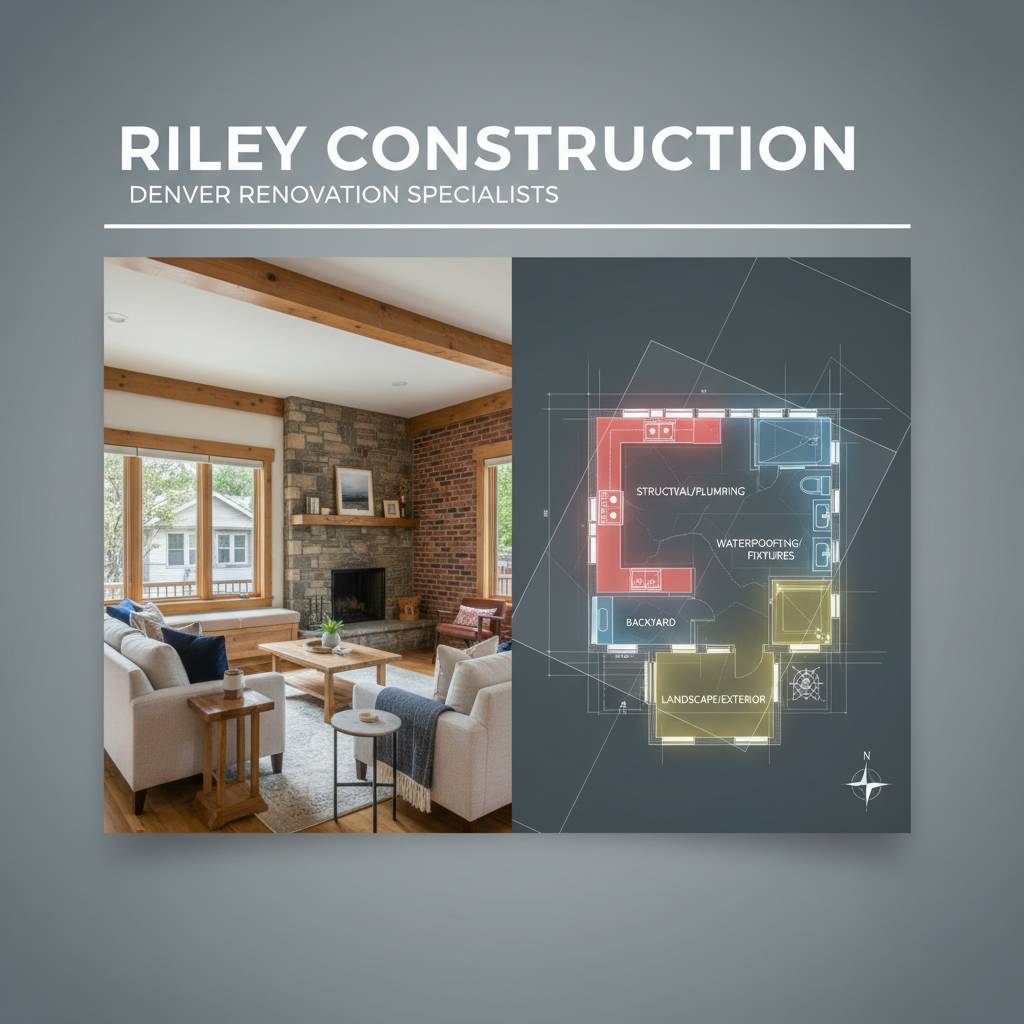 Consider a 1940s bungalow in Berkeley listed at the mid-market price band. Initial inspection revealed dated kitchen finishes, scratched hardwood floors, an aging furnace, and modest curb appeal. Using the priority map framework, the owner ranked cosmetic interior work and mechanical upgrades as top priorities because comps in Berkeley rewarded clean, updated interiors and strong systems documentation.
The owner allocated $45,000 across three phases: Quick Wins ($7,500) for paint, minor repairs, and staging; Moderate Projects ($22,500) for kitchen refresh and floor refinishing; Long-Term ($15,000) for furnace replacement and roof patching. After completion, the property attracted multiple offers and sold slightly above expected comp-based pricing, demonstrating that targeted spend on buyer-relevant upgrades can be more effective than extensive, unfocused renovations.
Timing, permits, and contractor selection
Project timing in Denver is influenced by permit cycles and contractor availability, especially during busy spring and summer markets. Start by checking whether proposed work requires a permit and how long local approvals typically take-roofing, structural changes, and significant plumbing or electrical work often involve formal inspections. Factor permit timeline into your priority map so that critical path items are scheduled early.
Contractor selection is equally important. Solicit written bids from multiple licensed professionals and request references for similar work in your neighborhood. Look for contractors who understand Denver's unique construction challenges like older foundation conditions and altitude-related material behavior. Clear scopes of work, fixed-price bids where practical, and defined warranty terms reduce surprises and keep your schedule intact.
When you have limited time to sell, favor projects with predictable timelines and lower permit risk. When holding long-term, consider upgrades that reduce operating costs or support higher rents, such as energy-efficient windows or smart HVAC systems. The priority map should evolve as market conditions and your holding horizon change.
FAQs and practical tips
Q: How do I decide between cosmetic and structural work? A: Resolve structural and mechanical concerns that could flag inspections or buyer financing first; then invest remaining funds in cosmetics that enhance buyer perception. Skipping necessary structural fixes often reduces offers more than cosmetic deficits.
Q: Should I stage or renovate first? A: Staging can sometimes deliver immediate visual benefits for listings with minimal upfront spend, but staging is most effective when basic repairs and a fresh coat of paint are already completed. If your budget is constrained, stage strategically while planning a prioritized renovation list.
Quick practical tips: price projects in a spreadsheet with bids, account for 10%-20% contingency, and schedule work to minimize vacancy days. Keep records of permits and warranties to share with prospective buyers-these documents reduce friction and justify asking prices.
Next steps and how Riley Construction can help
If you want a reliable, neighborhood-specific plan, Riley Construction offers a structured assessment that ranks renovation areas by potential value uplift and cost efficiency. We combine market analysis, contractor input, and your timeline to generate a customized priority map that aligns with resale objectives. Use that map as a decision-making tool to target the highest-impact improvements first and avoid unnecessary spending.
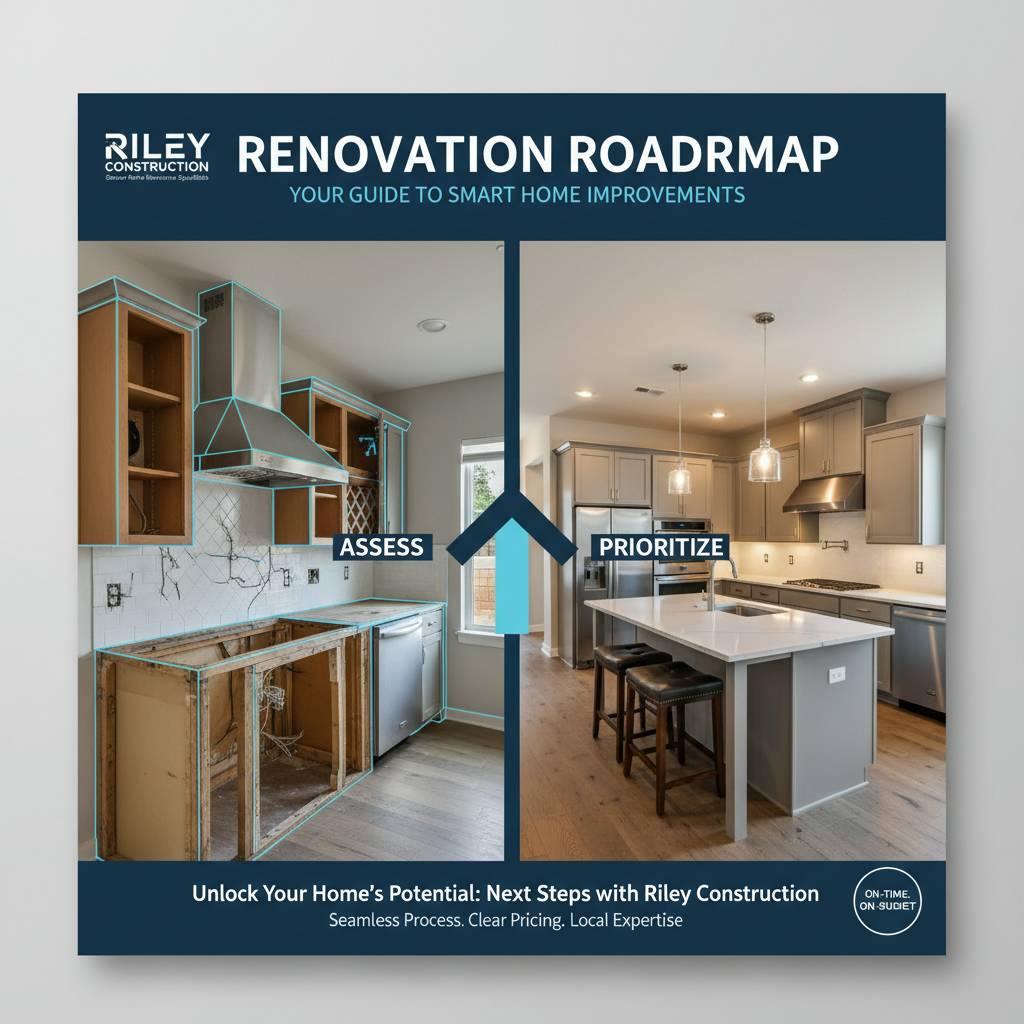
To get started, request a consultation that includes a walkthrough, comparative market review, and a prioritized action plan. You'll receive a clear sequence of recommended projects, estimated costs, and an implementation timeline tailored to your property and neighborhood. This clarity helps you move confidently from intention to execution.
Call Riley Construction at 17206053614 to schedule your customized priority map and begin maximizing resale value today.
We look forward to helping you prioritize renovations that matter most for your Denver property-contact Riley Construction at 17206053614 to take the next step.