Permit Mistakes That Lower Home Value
Permit mistakes can devalue a property and cause costly rework or appraisal penalties in Denver. Riley Construction identifies common permitting errors and offers steps to ensure code compliance. Call 17206053614 to get a permit risk review before you start construction. Addressing permits proactively protects resale value and avoids legal setbacks.
Renovations and additions can dramatically increase a home's livability and market value, but when permit work is handled incorrectly the opposite can happen. In Denver, building codes and permitting rules protect occupants and neighborhoods, and failure to comply can trigger expensive corrections, appraisal reductions, or even fines. Riley Construction helps homeowners and contractors recognize permit mistakes that lower home value and provides clear steps to avoid them before you sign a contract or swing a hammer.
Why permits matter in Denver: legal, safety, and value consequences
Permits are not a bureaucratic hurdle-they are the documentation that local authorities use to confirm a project meets safety and zoning standards. In Denver, permits also connect municipal records to properties, which matters at sale time. Unpermitted work may not show up on a title search, but its existence is discovered in disclosure statements, during appraisals, or through buyer inspections, and that discovery can trigger price adjustments or collapse a transaction.
From a safety perspective, code-compliant work protects the structural integrity, electrical systems, plumbing, and fire protections in a home. Appraisers, underwriters, and savvy buyers expect evidence that upgrades were performed properly. Without permits and inspections, lenders may withhold financing or require costly remediation as a condition of closing. That chain reaction can turn an otherwise positive renovation into a liability for a seller.
Common permit mistakes that lower home value
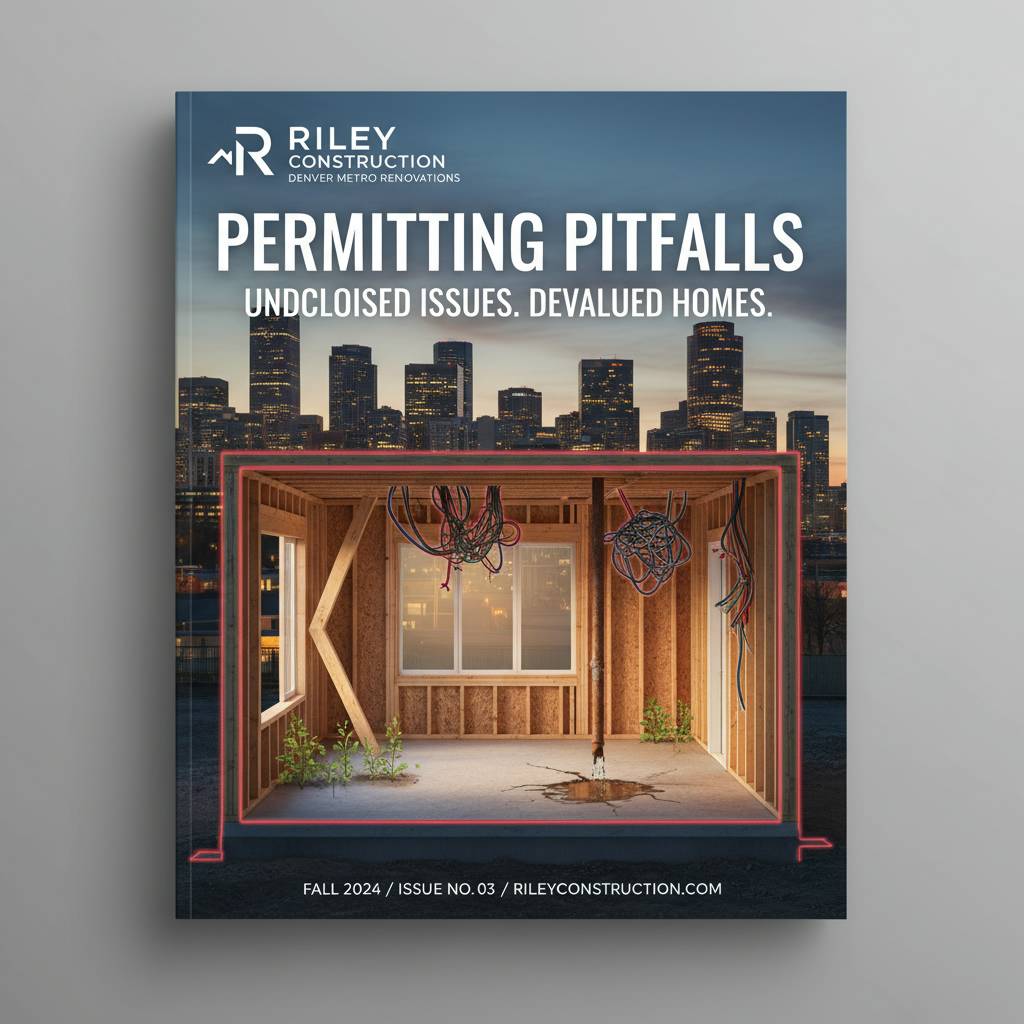 Certain permitting mistakes recur frequently in Denver and elsewhere; recognizing them enables homeowners to act early. Each mistake listed below creates a path to reduced buyer confidence or direct monetary penalties. Some are easy to correct if addressed before sale, but many become expensive and stressful if left until escrow.
1. Proceeding without any permit when one is required
The single most damaging mistake is simply not obtaining permits. Homeowners may assume small projects are exempt, or that labeling a major project as "cosmetic" will avoid scrutiny. In Denver, changes that affect structural systems, significant electrical or plumbing work, or even some exterior changes like windows and decks typically require permits. Unpermitted work discovered at resale frequently prompts price concessions or contingent repair demands.
2. Relying on incorrect or incomplete permit types
Filing the wrong permit or omitting required sub-permits creates a false sense of security. For example, an electrical permit may be issued while the associated structural permit was not pulled, leaving inspectors unable to verify load-bearing changes. Mismatched permit documents produce red flags for appraisers and title companies and can lead to stop-work orders or rework to obtain the correct approvals.
3. Using unlicensed contractors or subcontractors
Hiring an individual without the proper city licensure or insurance can invalidate permit statuses and expose the homeowner to liability. Denver contractors must meet licensing and registration rules; work performed by unlicensed providers often fails inspection and may be ordered removed. Buyers interpreting this history will discount offers, fearing latent defects or unresolved legal exposure.
4. Skipping required inspections or falsifying records
Permits are only part of the process-inspections validate the work. Skipping inspections, failing them, or worse, falsifying inspection records, results in permits remaining open or being revoked. Open permits can lead to compliance letters, municipal liens, or demands for correction. An open permit on a seller's record is almost always a negotiation point or contingency for buyers.
5. Misrepresenting conversions or use changes
Converting spaces-like turning a garage into living space or a basement into a rental unit-often requires additional permitting, zoning review, and sometimes separate approvals for mechanical systems. Hidden conversions discovered by buyers or inspectors will raise questions about habitable conditions, egress, ventilation, and occupancy limits, frequently reducing perceived market value or halting transactions.
6. Ignoring neighborhood and historic district constraints
Properties in Denver historic districts or subject to homeowners association covenants often require design review in addition to building permits. Ignoring these constraints leads to orders to demolish or alter visible elements, or may trigger community complaints. Buyers sensitive to exterior compliance issues will reduce offers if previous work violated localized rules.
How permit errors influence appraisals and resale outcomes
Appraisers rely on verifiable records to compare properties accurately. When permitted work cannot be validated, appraisers either omit that area from comparable value calculations or apply penalties to account for risk. The result: a lower appraised value compared to truly permitted, equivalent improvements. In addition, lenders may require that outstanding permit issues be resolved before funding, creating delays or introducing additional costs for sellers.
Beyond appraisals, buyers factor risk into their offers. An unpermitted addition suggests potential unknowns: substandard installations, lack of emergency egress, improper insulation, or overloaded circuits. Rather than negotiate in uncertainty, many buyers will lower offers by the estimated cost of correction plus an additional contingency, which erodes seller net proceeds.
Practical steps to avoid permit mistakes and guarantee compliance
Preventing permit-related devaluation starts with planning. Before work begins, take proactive measures to ensure the project follows Denver Building Department requirements. These steps protect resale value and reduce the chance of surprises at closing.
- Confirm permit requirements early: Contact Denver Development Services or use their online resources to determine exactly which permits and sub-permits are needed for your project.
- Hire licensed professionals: Verify contractor licensing and insurance, and check references for prior permit-related work.
- Ensure accurate plans and submittals: Provide complete, professionally drawn plans for structural, mechanical, plumbing, and electrical work where required.
- Keep inspections on schedule: Schedule and pass required inspections; obtain and retain signed inspection cards and final approvals.
- Document everything: Maintain a folder of permits, inspection documents, change orders, and receipts to support compliance at sale.
When in doubt, obtain a permit risk review before committing to contractors or beginning work. A short pre-construction check can save thousands in corrections later. Riley Construction offers focused reviews to identify potential permit triggers and provides a clear checklist for code compliance.
Typical timelines and costs to expect in Denver
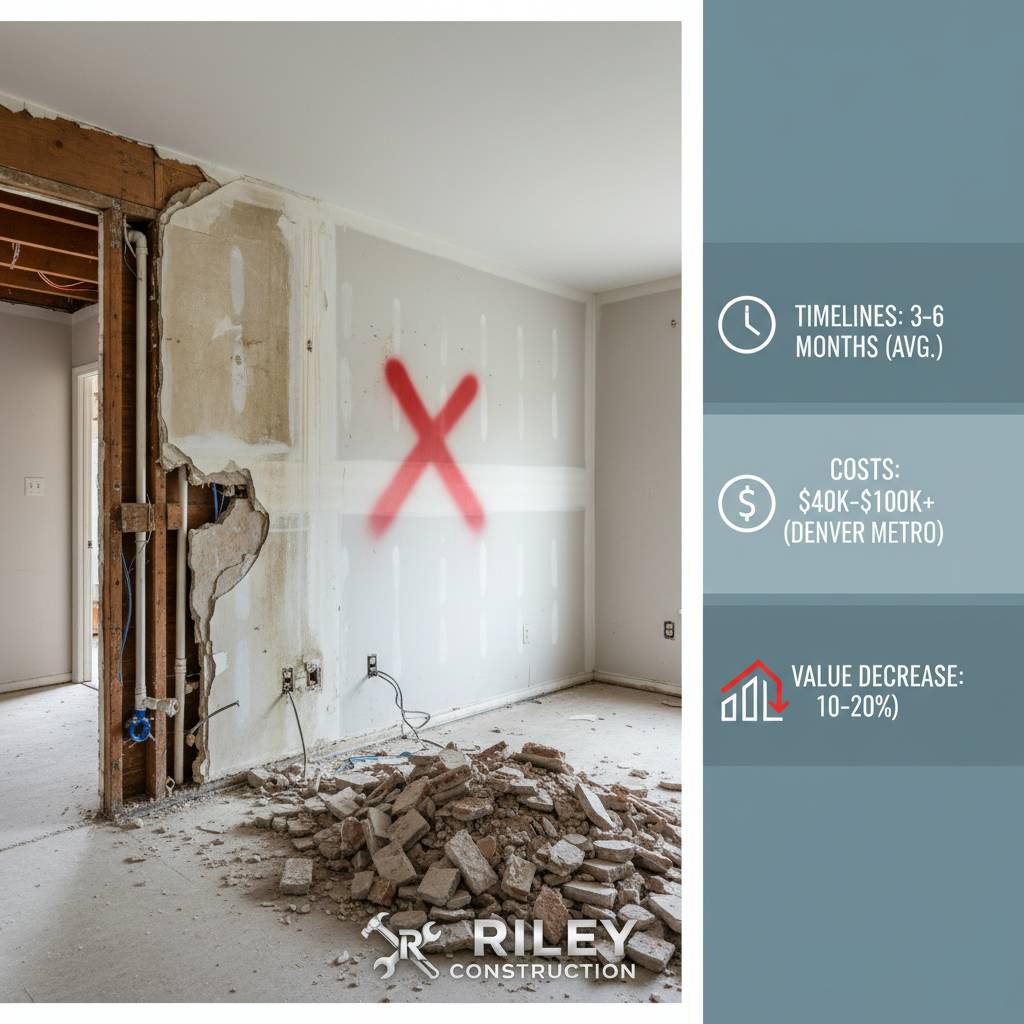 Permit timing and fee structures vary with project scope, but homeowners should build realistic expectations to avoid rushed work or skipped approvals. Simple permits for minor electrical or plumbing jobs may be issued quickly and cost in the range of $75-$200. Larger projects-additions, structural alterations, or multi-trade remodels-require plan review and can take weeks to months for approval depending on complexity and completeness of submittals.
Inspections are usually scheduled as milestones are completed: footing, framing, rough-in, and final. Failing an inspection generally requires correction and re-inspection fees in some circumstances; repeated failures can increase costs significantly. Budgeting for permits, plan preparation, and contingency ensures that the project completes with proper documentation intact for future appraisals and sales.
Case studies: real outcomes and recoveries
Case study 1: The unpermitted deck
A homeowner added a second-story deck without permits to save time. When the property later listed, the buyer's inspector flagged the lack of guardrail compliance and missing framing documentation. The seller paid for demolition and rebuilding to code, plus permit fees and re-inspections. The cumulative corrective cost exceeded the perceived savings of skipping permits and delayed the sale by several weeks.
Case study 2: Finished basement without egress
A finished basement converted into an additional bedroom failed to meet egress requirements. The seller faced a lender-required remedy before closing, costing several thousand dollars to modify windows and obtain a new permit. The resale price also reflected buyer concerns about a major system not meeting contemporary safety standards. Early permit pulling would have avoided the mid-transaction scramble.
Working with professionals: who to involve and why
Complex projects benefit from a team approach. Architects or licensed designers prepare plans that satisfy code; general contractors coordinate trades and secure permits; permit expeditors or consultants can help navigate municipal processes quickly. If you expect unusual zoning issues, include a land use consultant early. A reliable team reduces the likelihood of permit mistakes that lower home value and shortens time to final approval.
- Architects/designers - for structural and layout compliance.
- Licensed general contractors - to execute work and interface with inspectors.
- Licensed electricians/plumbers/HVAC contractors - for trade-specific permits.
- Permit expeditors - when timelines are tight or submittals are complex.
Ask potential contractors for permit histories on past projects and verify that their permits were closed with final inspections. This diligence prevents surprises when you sell and establishes a professional record that reassures appraisers and buyers alike. If needed, ask to review contractor documentation with you for an impartial assessment.
Frequently asked questions
Will an old, unpermitted improvement always lower my home's value?
Not always, but unpermitted improvements create increased risk that buyers account for when making an offer. The actual impact depends on the nature of the work, its visibility, and whether it can be retroactively legalized through permits and inspections. Many smaller issues can be corrected or permitted after the fact; major structural or safety deficiencies are more damaging.
Can I get a permit after the work is done?
Yes, Denver offers processes for retroactive permitting in many cases, but the project must meet current codes and pass inspections. Retroactive permits can require partial demolition for inspection access, upgrades to meet current standards, and payment of fees or penalties. Because retroactive permits can be more costly and time-consuming, securing permits in advance is the preferable route.
How will open permits show up when I sell?
Open permits may appear in municipal property records, in disclosure forms, or be discovered during a buyer's inspection. Title companies and closing agents often search for permit-related liens or notices. An open permit can become a negotiation point or requirement to close out before transfer. Clearing permits before listing simplifies sale logistics and improves buyer confidence.
Final recommendations and how Riley Construction can help
Protecting resale value and avoiding legal or safety setbacks starts before demolition. Take the time to verify permit requirements, hire licensed professionals, and document inspections and approvals. If you already have an existing concern-an open permit, an unpermitted addition, or unclear records-address it proactively: it is almost always less costly than dealing with the issue during escrow.
Riley Construction offers permit risk reviews and pre-construction consultations to identify common permit mistakes that lower home value and to recommend corrective pathways. A short review often prevents costly rework, reduces appraisal risk, and preserves negotiating leverage during a sale. Call 17206053614 for a focused, practical review before you start your next project.
If you are ready to protect your property's value and avoid permit-related surprises, contact Riley Construction today. Our team will walk you through the permit landscape in Denver and offer an actionable plan tailored to your project and timeline.
Call now: 17206053614