Step-by-Step Value-Focused Renovation Process
A structured, value-focused renovation process reduces surprises and maximizes resale gains in Denver markets
When you plan a home renovation with resale in mind, you want a reliable approach that reduces surprises and protects your budget. Riley Construction outlines a clear, step-by-step value-focused renovation process that starts with a thorough assessment and continues through final inspection. This approach centers decisions on measurable value creation: what buyers in Denver neighborhoods prioritize, which upgrades pay back reliably, and how to sequence work to avoid delays and cost overruns.
By committing to a defined process you gain predictability. Contractors, designers, and agents align around shared goals and scope, enabling more accurate bids, tighter timelines, and fewer change orders. The result is a renovation that improves marketability and maximizes resale gains while minimizing the stress and expense of last-minute corrections.
Assessment and planning: the foundation of value
Every successful renovation begins with a disciplined assessment. That starts with a targeted market analysis to determine what buyers in your Denver submarket want-whether that's an open kitchen plan, energy-efficient systems, or refreshed primary bathrooms. Alongside market preferences we evaluate the property's current condition, structural concerns, and any code obligations so the plan addresses both cosmetic and fundamental value drivers.
Next comes a value-focused scope and budget: a prioritized list of improvements based on expected return on investment. This step is where you choose fewer high-impact upgrades over many low-return projects. A clear scope also allows competitive contractor bids and reduces the tendency to add costly, late-stage changes. The goal is to protect both short-term budgets and long-term resale appeal.
Market analysis and buyer profiling
Detailed buyer profiling identifies likely purchasers for your property-young professionals, families, or downsizing retirees-and which features sway their decision. We examine recent comparable sales, active listings, and neighborhood trends to highlight the upgrades that translate into higher offers. This evidence-based approach keeps design choices from becoming personal preferences and ensures each decision supports resale value.
Budgeting, contingencies, and timeline forecasting
A realistic budget balances cost, impact, and risk. We recommend allocating contingency funds for unforeseen issues-commonly 10%-15% of construction costs-along with clear milestones for payments based on completed work. Forecasting a phased timeline reduces overlap between trades and prevents rework: demolition, rough-ins, inspections, finishes, and staging each have defined windows so everyone knows when they are accountable.
Design decisions that prioritize value and buyer appeal
 Design is where aesthetic choices meet financial return. A value-focused renovation favors neutral yet durable finishes, efficient layouts, and investments that signal quality without unnecessary luxury. For example, replacing aged countertops and updating cabinet fronts often yields more buyer appeal per dollar than custom millwork. Smart lighting, consistent hardware, and cohesive color palettes create a sense of care that buyers reward.
Key systems-HVAC, water heaters, and windows-should also be evaluated for longevity and efficiency. These more technical upgrades may not be glamorous, but they remove a frequent buyer objection and can be powerful negotiation levers. When possible, prioritize improvements that reduce future maintenance and operating costs for the next owner.
Material selection and durable aesthetics
Choose materials that look current but are tested for wear. Engineered hardwood or high-quality luxury vinyl plank, quartz countertops, and porcelain tile offer attractive visuals with lower maintenance. These options appeal broadly in Denver markets, where commuters and active families expect finishes that hold up to traffic. Small, consistent upgrades-new faucets, refreshed trim, and updated lighting-often create the perception of a well-maintained property.
Project execution and disciplined contractor management
Execution is where the plan becomes reality, and disciplined contractor management keeps projects on track. Clear scopes and fixed-price bids reduce the temptation for mid-project scope creep. Use written contracts that specify deliverables, materials, allowances, and change order procedures. Schedule-dependent tasks should be coordinated to avoid idle time for subcontractors and to minimize the risk of delays that cascade into costly hold-ups.
Regular, documented communication is essential. Weekly progress meetings, shared schedules, and photo logs help owners and managers track milestones and catch deviations early. When everyone has access to the same schedule and budget updates, decisions are faster and disputes are less likely. This transparency fosters trust and keeps the project aligned with the value-focused goals set during planning.
Quality trades, permits, and inspection coordination
Hiring reputable tradespeople with good references and insurance reduces rework and warranty calls. Make permit pulls and inspection scheduling part of the timeline-delays from missed inspections are common and easily avoidable with careful planning. Coordinate inspection windows so that rough inspections precede finishes and final inspections are completed before staging or listing photos are scheduled.
Quality control, punch lists, and final inspection
As construction winds down, a rigorous quality control process prevents last-minute surprises. A professional punch list should be created by an objective third party or a project manager familiar with resale standards. This list prioritizes safety and functionality issues first, then cosmetic items. Each punch item should be assigned an owner and completion date so nothing slips through before market readiness.
Before professional photography or open houses, run a final inspection that replicates buyer walkthroughs: test all doors, plumbing, electrical switches, heating and cooling, and appliances. Address any odors, unfinished paint edges, or inconsistent grout colors-these small details disproportionately influence buyer perception and offers. The objective is a home that looks and performs like a well-cared-for property.
Punch list best practices
- Create punch items in categories: safety, functionality, cosmetic, and warranty documentation.
- Assign deadlines and responsible parties for each item; track completion with photos and sign-offs.
- Include a short warranty and maintenance plan for the buyer that summarizes recent work and recommended care.
Estimating cost versus return: examples and typical ranges
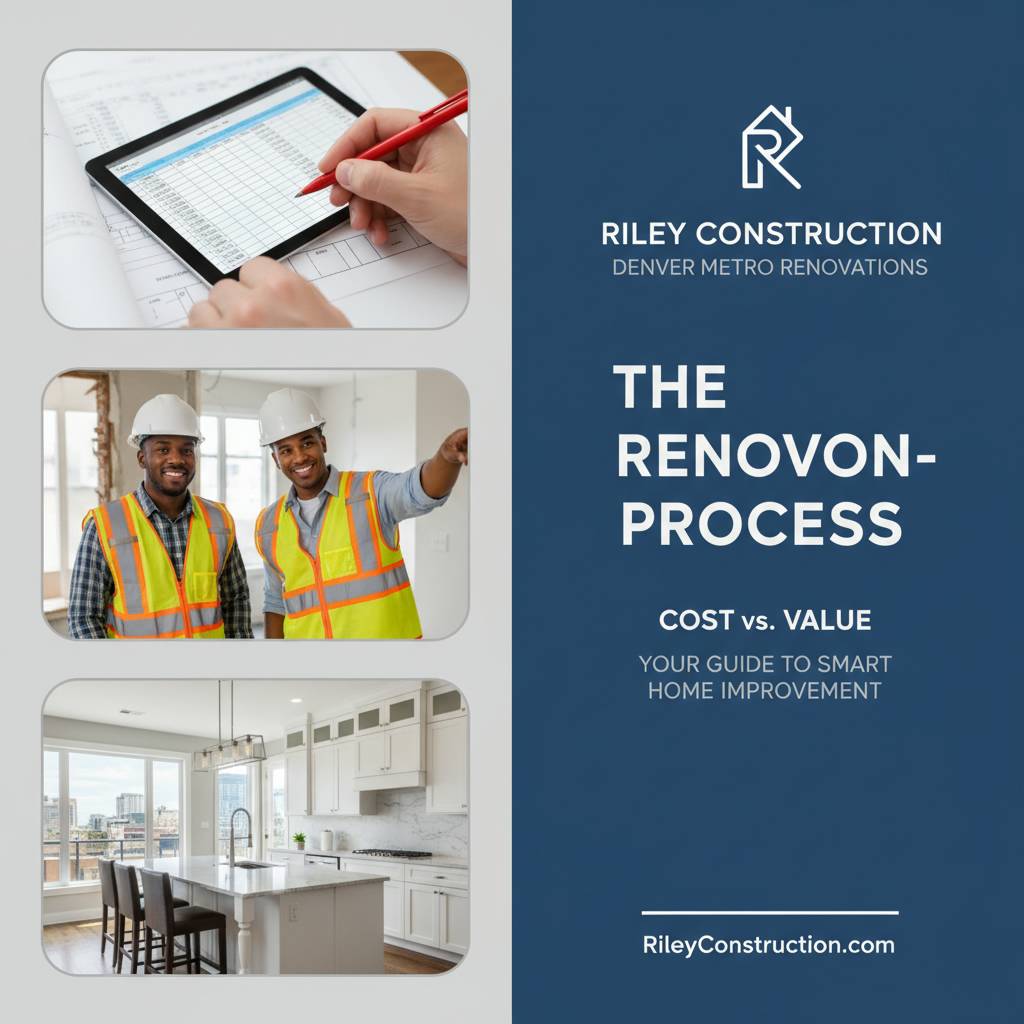 Understanding typical cost ranges helps prioritize investments. Below is a compact table of common renovation scopes and estimated price bands in many Denver projects. These ranges are illustrative and intended to guide decision-making when balancing cost and impact. Always refine numbers with local bids and a specific scope before committing.
| Project Type | Typical Cost Range | Value Focus |
|---|---|---|
| Kitchen refresh (cabinet refacing, new hardware) | $5,000-$20,000 | High ROI if layout and appliances are current |
| Full kitchen remodel | $30,000-$75,000 | Strong ROI in competitive neighborhoods |
| Bathroom remodel (mid-range) | $8,000-$25,000 | High buyer impact per dollar |
| HVAC/service upgrades | $3,000-$12,000 | Reduces inspection objections and improves offers |
| Exterior refresh (paint, landscaping) | $2,000-$15,000 | Essential for strong first impressions |
These ranges illustrate that careful selection of projects can deliver outsized impact without overspending. A step-by-step value-focused renovation process helps you pick the right projects for your market and timeline.
Case studies and real-world outcomes
Small, targeted investments often outperform grand gestures. In one Denver example, a home received a $12,000 kitchen refresh (new cabinet fronts, counters, and lighting) and a $6,000 bathroom update; it sold in under two weeks at 8% above the comparable neighborhood median. The controlled scope and fast timeline reduced carrying costs and produced a better net return than a longer full remodel would have.
Another owner prioritized exterior improvements and mechanical upgrades-new roof shingles, fresh paint, and an updated furnace-for about $18,000 total. That property attracted multiple offers and sold at a premium because buyers perceived it as move-in ready. These case studies show that aligning work with buyer priorities and completing projects cleanly tends to maximize resale results.
Call to action and how to get started
If you're planning a renovation to maximize resale gains in Denver, Riley Construction can provide a tailored step-by-step value-focused renovation process map for your property and timeline. We start with a complimentary assessment that pairs market data with on-site evaluation so every decision supports measurable value creation. Contact us to schedule an initial consultation and receive a prioritized scope and budget outline.
Call Riley Construction at 17206053614 today to get a tailored process map and realistic timeline for your property. Whether you need help prioritizing projects, managing contractors, or finalizing the punch list, we provide practical guidance that keeps the finish line in sight and the resale upside clear.
Closing and next steps
Following a disciplined, step-by-step value-focused renovation process minimizes delays and cost overruns while maximizing appeal to buyers. With careful assessment, targeted design choices, disciplined execution, and rigorous quality control, you reduce uncertainty and improve the odds of selling quickly at a favorable price. Let Riley Construction help you convert renovation effort into resale value with a plan designed for Denver markets.
For a customized plan and dependable execution, reach out to Riley Construction at 17206053614. We'll walk the property with you, map the highest-impact improvements, and coordinate the work so your timeline and financial goals stay on track.